
Open vs. Enclosed Car Transport: Which Shipping Method Is Right for You?
When planning to ship a vehicle, one of the most important decisions is choosing between open and enclosed auto transport.
Both methods are widely used, but they offer different advantages in terms of cost, vehicle protection, and transportation availability.
Understanding these differences can help you choose a suitable shipping method.
What Is Open Car Transport?
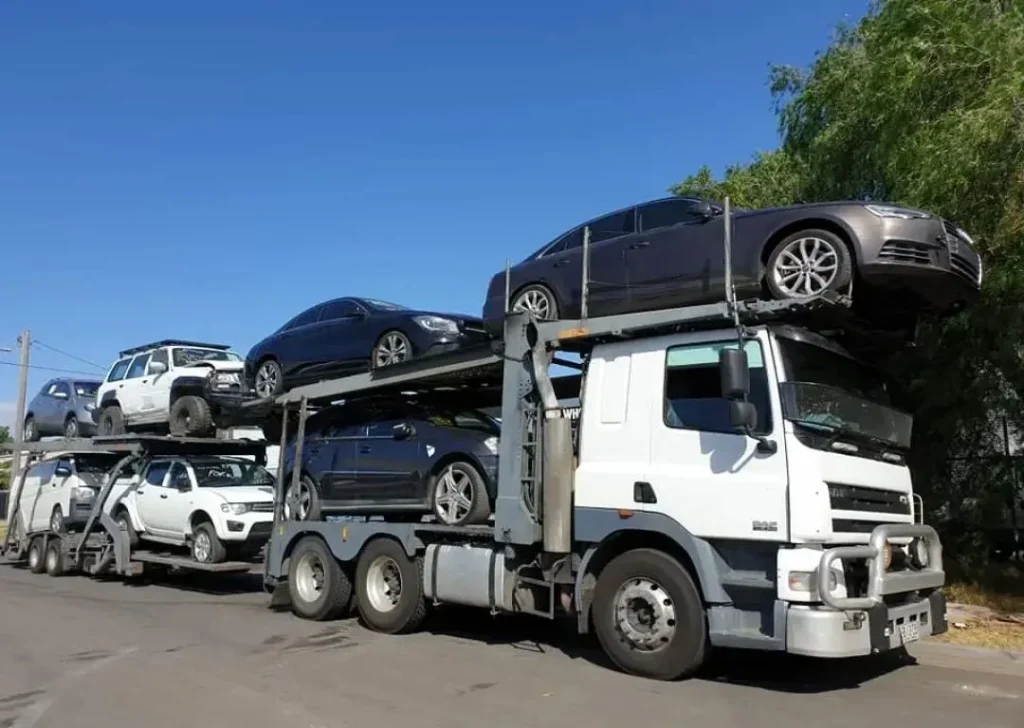
Open car transport uses trailers that carry vehicles without a fully enclosed exterior.
These trailers commonly transport multiple cars and are frequently seen on highways throughout the United States.
Open transportation is often used for standard passenger vehicles, dealership inventory, and everyday car shipping.
Advantages of Open Car Transport
Open transport is generally more affordable than enclosed shipping.
Because open carriers are widely used, customers may also find more available transportation options on common routes.
This method works well for many standard cars, SUVs, and pickup trucks.
Disadvantages of Open Car Transport
Vehicles are exposed to weather, dust, and road debris during transportation.
For customers shipping rare, high-value, or delicate automobiles, this exposure may be an important consideration.
What Is Enclosed Car Transport?
Enclosed car transport uses a covered trailer to help shield vehicles from outdoor conditions.
It is frequently selected for classic cars, luxury vehicles, exotic automobiles, collector cars, and specialty vehicles.
Advantages of Enclosed Car Transport
Enclosed trailers reduce direct exposure to rain, snow, dust, and road debris.
They can be a preferred choice for vehicles with valuable paint finishes, rare components, or special handling requirements.
Some enclosed carriers also offer loading equipment suited to low-clearance vehicles.
Disadvantages of Enclosed Car Transport
Enclosed shipping usually costs more than open transportation.
There may also be fewer enclosed carriers available on certain routes, which can affect scheduling flexibility.
Open vs. Enclosed Auto Transport Comparison
| Feature | Open Transport | Enclosed Transport |
|---|---|---|
| Cost | Generally lower | Generally higher |
| Weather exposure | Exposed | Reduced |
| Carrier availability | Often broader | May be more limited |
| Everyday vehicles | Well suited | Available |
| Luxury and classic cars | Possible | Often preferred |
| Road debris exposure | Higher | Reduced |
Which Option Should You Choose?
If you’re shipping a standard commuter vehicle and affordability is your main concern, open car transport is often the logical choice.
If you’re shipping a restored classic, luxury sports car, exotic vehicle, or collectible automobile, enclosed transport may provide benefits that justify the additional expense.
You should also consider your vehicle’s ground clearance, modifications, and overall transportation requirements.
Regardless of the method you select, ask about applicable carrier insurance coverage, inspection procedures, and shipment terms.
Does Enclosed Transport Guarantee Complete Protection?
No transportation method eliminates every possible risk.
Although enclosed carriers reduce exposure to outdoor conditions, vehicles can still be affected by loading incidents, equipment problems, or other unexpected events.
Before shipping, document your vehicle’s condition and review the carrier’s coverage and claims procedures.
Choose the Right Car Shipping Service
Secure Car Belt Transport helps customers in Loveland, Colorado, and those planning interstate shipments explore different vehicle transportation options.
Whether you’re shipping a daily driver or a specialty automobile, choosing the right carrier type begins with understanding your vehicle and transportation needs.
Call (970) 299-9440 to discuss open or enclosed car shipping and request a free quote.